
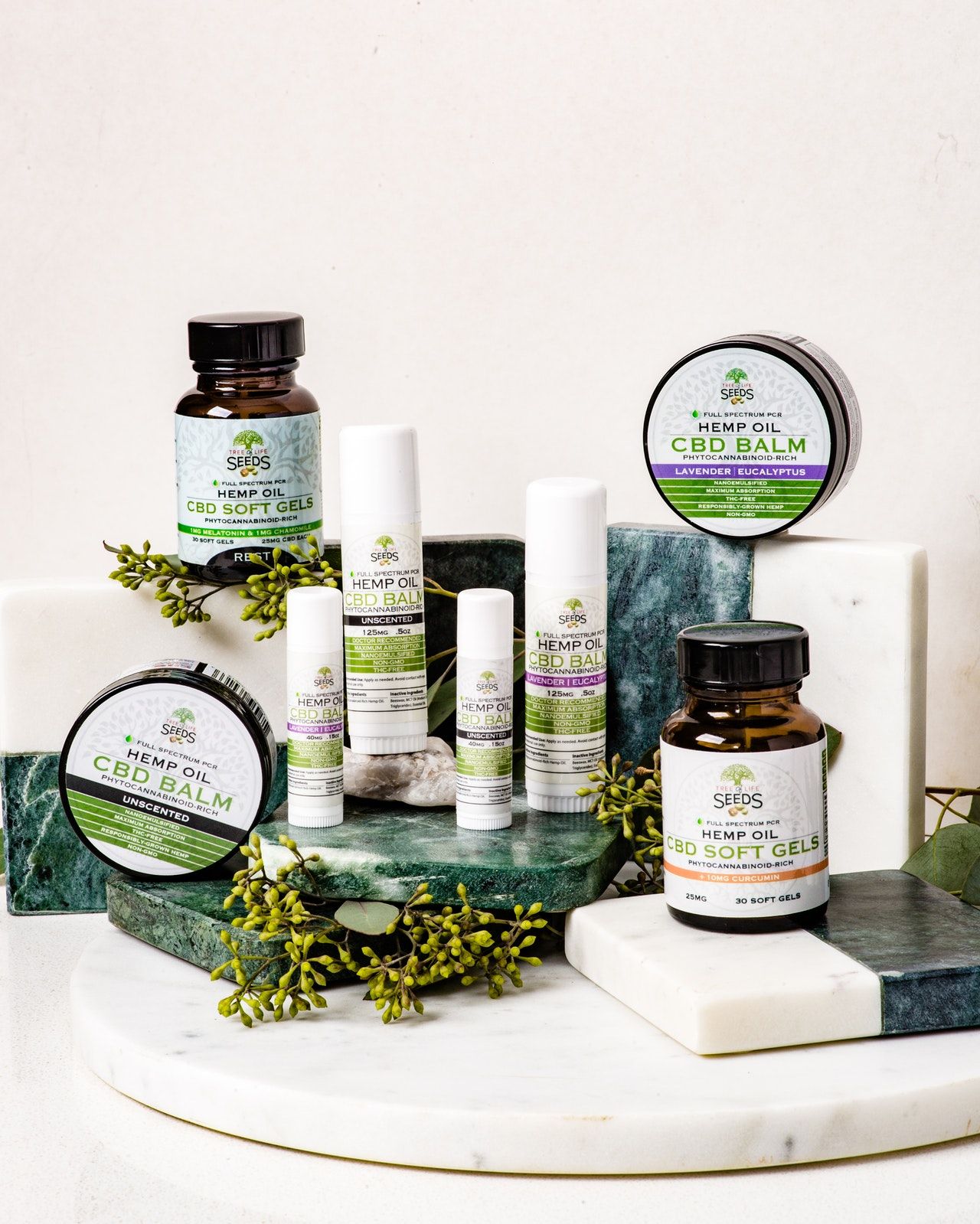
When shoppers pick up a hemp seed oil conditioner, the ingredient list can look like another language. Understanding those terms helps consumers choose formulas that truly fit their hair and scalp needs, rather than just relying on front-label claims.
At the heart of these conditioners is Cannabis sativa (hemp) seed oil. This oil is cold-pressed from hemp seeds and is naturally rich in omega-3 and omega-6 fatty acids, including linoleic and alpha-linolenic acid. Research suggests these fatty acids help support the skin and scalp barrier and reduce water loss, which may contribute to softer, more manageable hair. Shoppers can view hemp seed oil as a lightweight, conditioning oil rather than a heavy, greasy ingredient.
Most hemp seed oil conditioners also rely on a conditioning base made from cationic surfactants. Common examples include behentrimonium chloride, cetrimonium chloride, or distearyldimonium chloride. These positively charged ingredients cling to the negatively charged surface of hair, smoothing the cuticle, reducing static, and making hair easier to detangle. For shoppers with fine hair, lighter conditioning agents in lower concentrations may feel less heavy, while those with thick or very dry hair may benefit from richer formulas using these ingredients higher on the list.
To create the creamy texture, formulators add fatty alcohols such as cetyl alcohol, stearyl alcohol, or cetearyl alcohol. Despite the word “alcohol,” these are not drying; they are waxy, plant-derived emollients that add slip and help the conditioner spread evenly. Consumers who see these names can think “moisturizing texture builders,” not harsh alcohols.
Hydration often comes from humectants like glycerin, propylene glycol, or panthenol (pro-vitamin B5). Glycerin and propylene glycol help attract and hold water in the hair shaft, while panthenol can improve shine and the feel of hair. For shoppers in very humid climates, heavy humectant formulas might cause extra frizz; in drier climates, they can be helpful for maintaining moisture.
Many hemp seed oil conditioners also add botanical extracts and oils—such as aloe vera, argan oil, coconut oil, or chamomile extract—to support marketing claims around soothing, shine, or strength. While some plant extracts have supportive data in skin and hair care, their benefits depend on concentration and overall formula design. Shoppers should see these ingredients as potential “boosters,” not miracle workers, especially when they appear very low on the list.
Preservatives are another important piece of the label. Ingredients such as phenoxyethanol, sodium benzoate, potassium sorbate, or benzyl alcohol help prevent bacterial and fungal growth in water-based products. Cosmetic safety panels, like the Cosmetic Ingredient Review (CIR), regularly evaluate these preservatives for typical use levels in hair care. For shoppers, their presence is a sign the product is protected from contamination over its shelf life.
Finally, many conditioners include fragrance (parfum) and colorants to enhance sensory appeal. While these do not affect conditioning performance, they can be irritating for some sensitive scalps. Those prone to irritation may prefer fragrance-free or naturally scented formulas and should scan labels for terms like “fragrance-free” or “no added dyes.”
For shoppers, reading a hemp seed oil conditioner label becomes easier with a few rules of thumb: look for hemp seed oil and conditioning agents near the top of the list, understand that fatty alcohols are beneficial emollients, and be mindful of fragrance and botanical extras depending on personal sensitivities. With this knowledge, hemp seed oil conditioner shopping shifts from guesswork to informed choice.